Lanesia Knots—Knitting Econ Insights from the Islands.
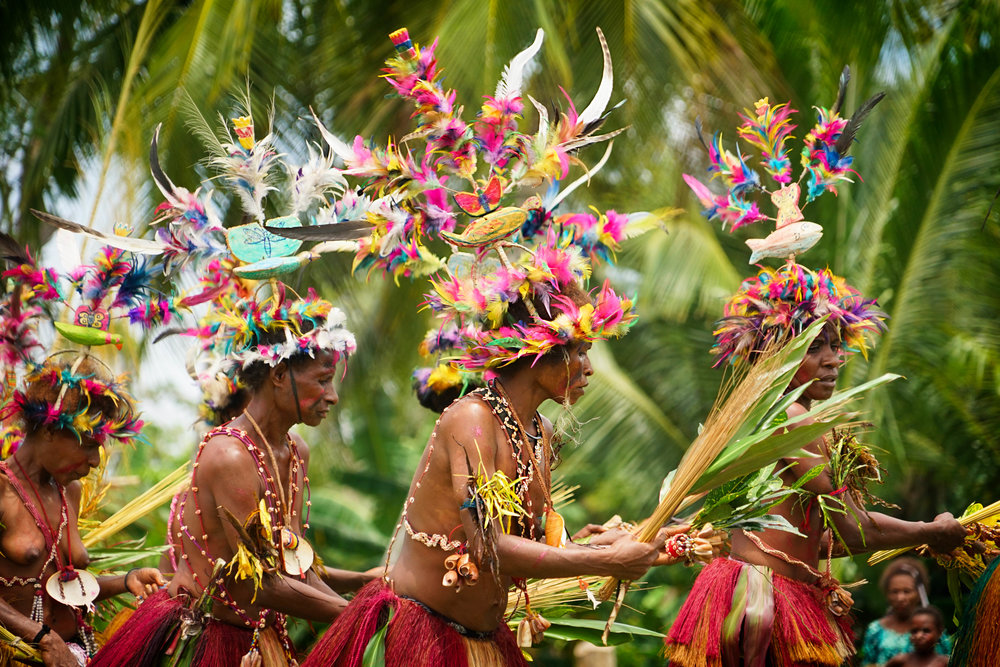
- Photo-travel.org
Lanesia Knots—Knitting Econ Insights from the Islands.
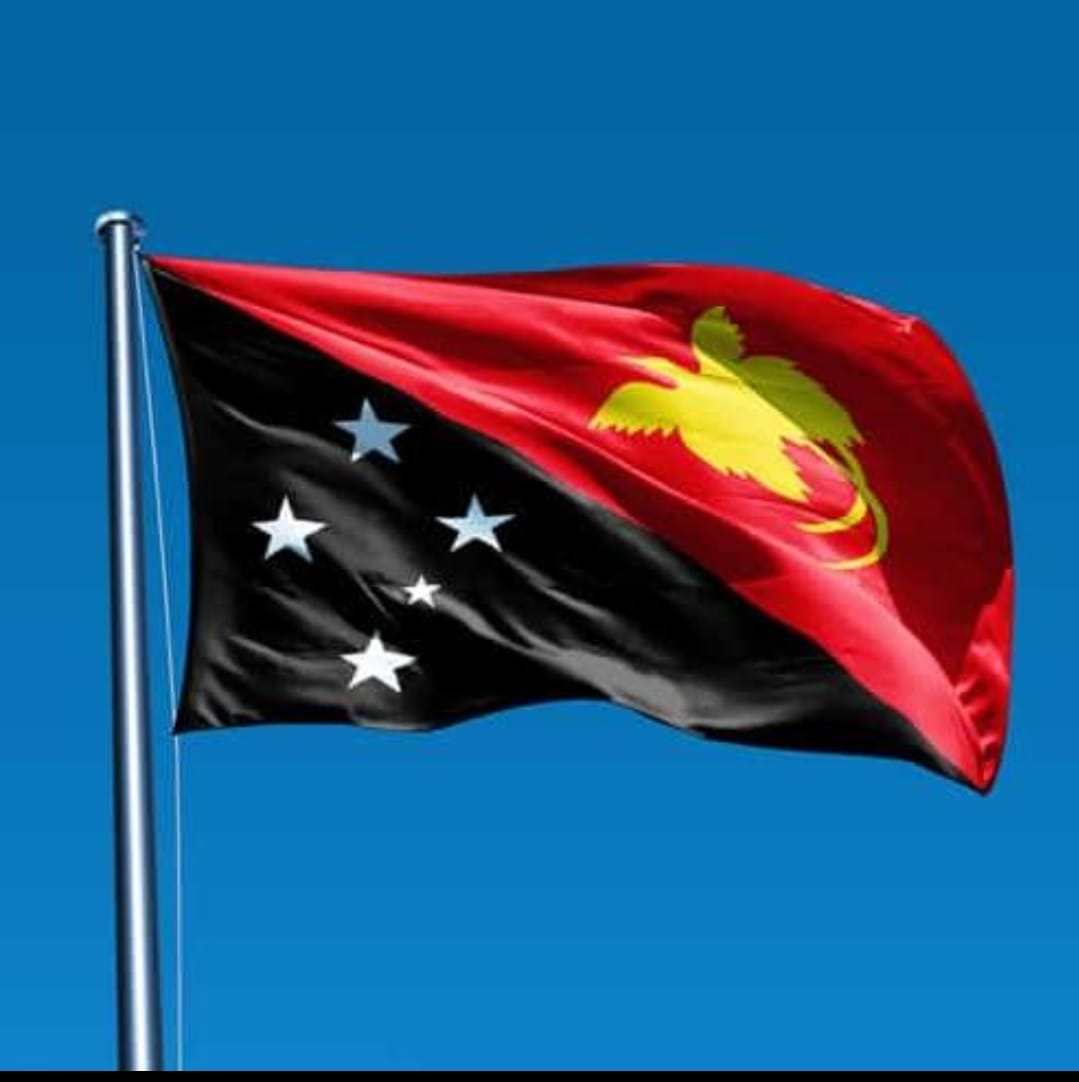
GDP: USD 30.7 b (2023)
GDP per capita: USD 2,501
Real GDP growth: 3.8 % (2023), projected 4.8 % (2024)
Inflation: 2.3 % (2023)
Main exports: LNG, gold, copper, palm oil
Debt-to-GDP: ~53 %
Fiscal balance: −4.3 % of GDP
Key risk: Commodity dependency and governance challenges

GDP: USD 1.7 b (2023)
GDP per capita: USD 2,300
Real GDP growth: 2.4 % (2023), projected 3.5 % (2024)
Inflation: ~5.9 %
Main exports: Timber, palm oil, fish
Debt-to-GDP: ~25 %
Fiscal balance: −2.3 %
Key risk: Exposure to climate and external aid dependency

GDP: USD 1.1 b (2023)
GDP per capita: USD 3,050
Real GDP growth: 3.2 % (2023), 4.4 % (2024)
Inflation: ~4.8 %
Main exports: Copra, kava, beef, cocoa
Debt-to-GDP: ~45 %
Fiscal balance: −1.5 %
Key risk: Cyclone exposure and small export base
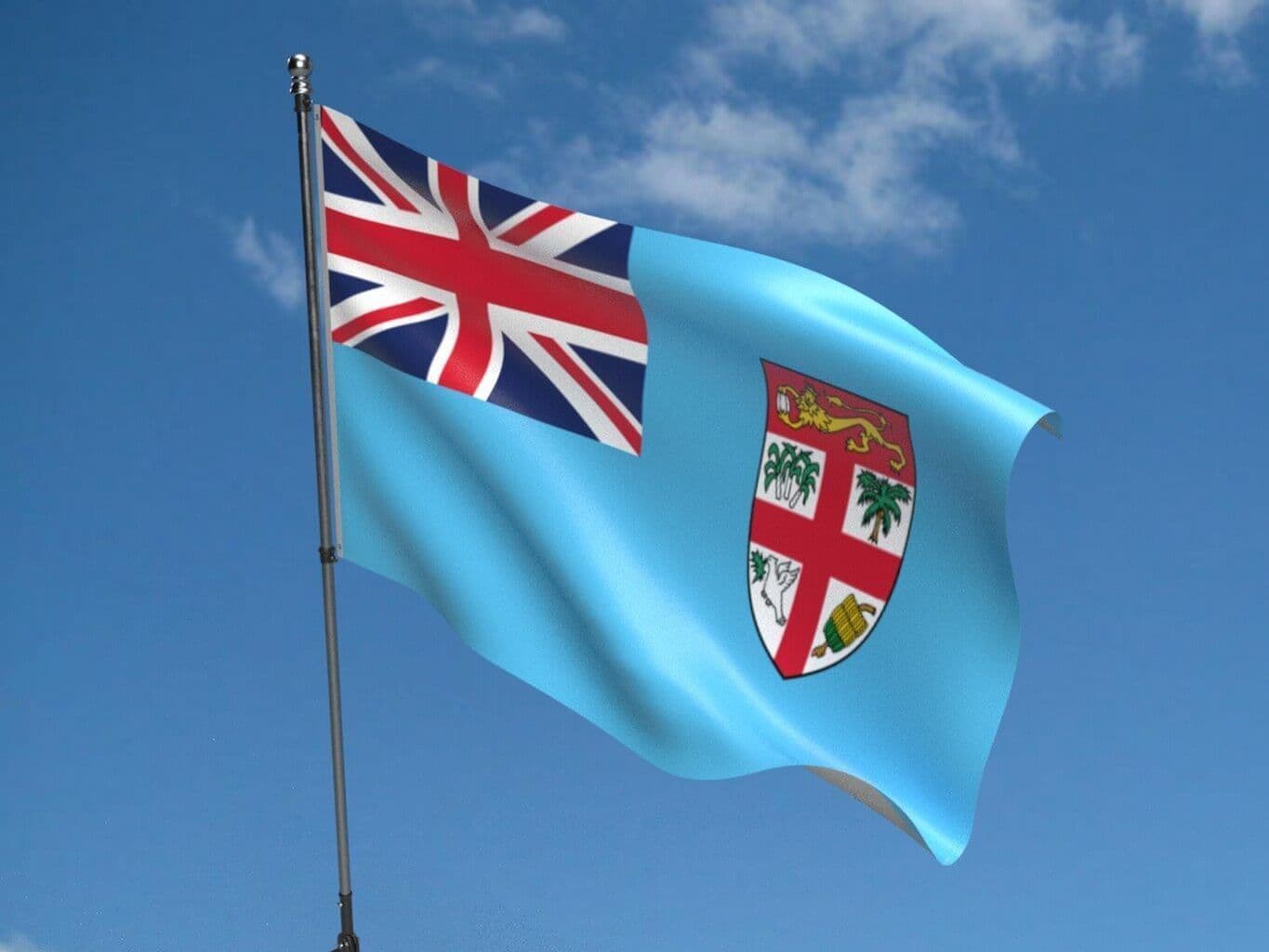
GDP: USD 4.4 b (2023)
GDP per capita: USD 4,610
Real GDP growth: 6.3 % (2023), 3.4 % (2024)
Inflation: ~4.4 %
Main exports: Sugar, gold, garments, tourism
Debt-to-GDP: ~85 %
Fiscal balance: −6.5 %
Key risk: High public debt and tourism dependence
“Better governance makes everything easier. It provides a stronger foundation for responding to climate change … and the many other serious problems Pacific countries face.”
— Stephen Howes, Director, Development Policy Centre
Source: “Poor governance in the Pacific: the forgotten issue” (Devpolicy Blog, 16 August 2019)
“PNG’s political leaders focus too much of their hopes on the resource sector rather than on their people… Greater focus on improving the performance of the agriculture sector would do much more for the people of PNG.”
— Paul Flanagan, former Australian Treasury official, Visiting Fellow at the Development Policy Centre
Source: “From economic boom to crisis management in PNG” (Devpolicy Blog, 5 January 2016)
“The informal economy generates considerable economic output and provides employment to more than half the working population in many Pacific countries, yet is not measured or reported in official statistics.”
— Pacific PSDI (2023).
Melanesia is a subregion of the Pacific made up of island nations with deep cultural ties and shared historical experiences. Among these are four independent countries that form the core focus of Lanesia Knots; Papua New Guinea, Solomon Islands, Vanuatu, and Fiji.
Each of these countries has a capital city that serves as its political, administrative, and economic center.
The map below highlights the geographic spread of these capitals across the Melanesian region. From the rugged highlands of Papua New Guinea to the urban coastlines of Suva and Honiara, these capitals reflect both the diversity and interconnectedness of Melanesian development. They are key hubs for governance, trade, education, and diplomacy in the Pacific.

Port Moresby
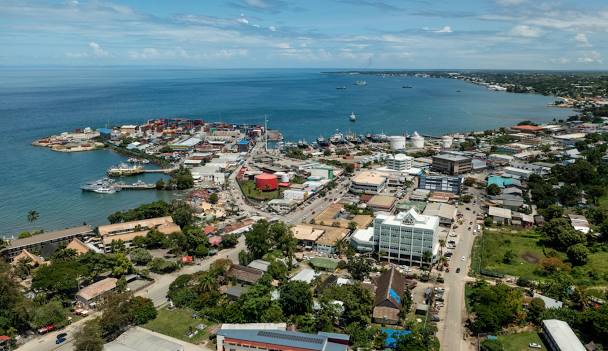
Honiara

Port Vila

Suva
Kingtau Mambon is the founder and lead contributor of Lanesia Knots. He is a development economist and currently lectures in economics at the University of Papua New Guinea, where he teaches undergraduate courses in quantitative economics, environmental economics, and natural resource economics.
Kingtau holds a master’s degree in international and development economics from the Australian National University (ANU). Alongside his academic work, he consults for international institutions such as the World Bank and contributes to the Economist Intelligence Unit (EIU) in the UK.




 Lanesia Knots