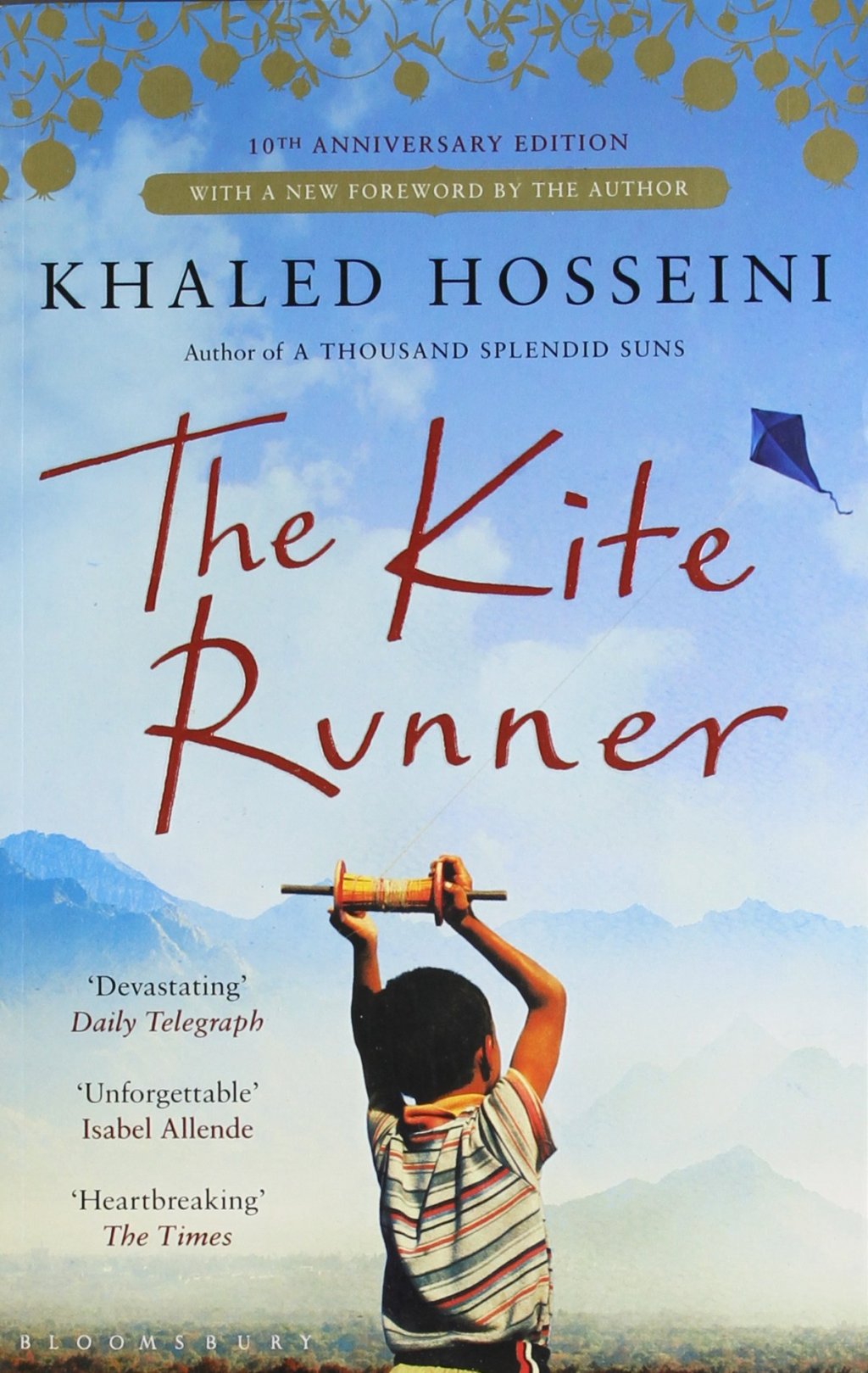
Khaled Hosseini’s The Kite Runner (2003) is often described as a novel of friendship, betrayal, and redemption. But at its core, it is also a narrative about moral responsibility—one that speaks as clearly to the policy world as it does to the personal. The plot started in pre-war Kabul and stretches into the Afghan diaspora in the United States. The Kite Runner is a deeply human account of how personal decisions are shaped by social hierarchies, silence, and trauma.
The story revolves around Amir, a wealthy Pashtun boy, and Hassan, the son of his Hazara servant. As children, they form a bond grounded in shared play but marked by an unspoken ethnic and class divide. This asymmetry becomes painfully visible after Amir fails to intervene during Hassan’s assault. The betrayal is not only personal; it reflects a broader structural inequality that underpins many societies—where guilt is felt by those who benefit silently from injustice.
This emotional and ethical debt haunts Amir into adulthood, even after he migrates to the United States following the Soviet invasion. But as Afghanistan unravels under the Taliban, Amir is offered a chance at redemption: to return to Kabul and rescue Hassan’s orphaned son, Sohrab. The story thus becomes a meditation on the possibility of moral repair—not through words, but through action.
In Melanesia, many of our societies are similarly shaped by inherited social divisions, customary hierarchies, and unspoken grievances. In PNG, for instance, the tension between different language groups often goes unaddressed—yet influences policy, politics, and interpersonal relations.
Narrative from the novel reminds us that healing and nation-building require not only collective memory but also individual accountability. Hosseini’s writing might be understated, almost deceptively simple, but the emotional and ethical weight it carries is profound. He resists turning his characters into heroes or villains—instead portraying flawed real people trying to navigate the consequences of their actions.
From a development perspective, The Kite Runner raises questions about how societies reckon with historical injustice, how trauma is passed on intergenerationally, and whether systems—social, legal, and political—are capable of delivering both justice and forgiveness. It also touches on themes of exile and identity, which are relevant for many Melanesians living abroad or in internal displacement contexts.
Though not a policy text, The Kite Runner is deeply relevant for those working in development space. It forces us to ask uncomfortable questions about privilege, complicity, and moral repair—questions that matter just as much in Honiara or Port Moresby as they do in Kabul. As a work of fiction, it succeeds in reminding us that development is ultimately about people—their histories, their wounds, and their capacity for change.
 Lanesia Knots
Leave a comment