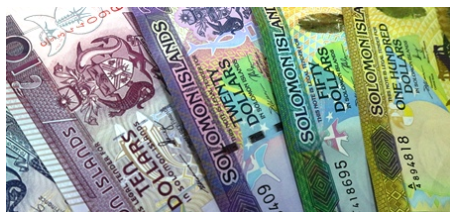
Central Bank of Solomon Islands (CBSI) has shifted gears. At its 21 August meeting, the Board adopted an expansionary monetary policy stance for the next six months. The Bank wants to boost growth while keeping inflation within its 2–5% comfort band.
The timing matters. Global growth is slowing down from 3.3% in 2024 to 3.0% in 2025 while trade tensions and policy uncertainty are intensifying. For small, open economies like Solomon Islands, these headwinds can bite quickly. Domestically, the economy sends mixed signals. Agriculture, fishing, forestry, manufacturing, and investment remain weak, while mining, construction, trade, utilities, and tourism show resilience. CBSI still projects 2.7% growth for 2025, steady but modest.
Fiscal policy is also leaning expansionary. Government is widening its deficit to finance public investment and service delivery. Together, fiscal and monetary easing should give the economy a short-term lift. Rising foreign reserves is expected to provide a cushion, giving CBSI space to act.
But inflation complicates the story. Headline inflation rose to 3.7% in June from 2.4% in March, pushed by food, alcohol, tobacco, housing, and utilities. Even so, it remains below the 4.6% recorded late last year. Core inflation rose to 1.7% but stays near the lower end of CBSI’s 1–3% target range. The Bank expects inflation to ease again in the second half of 2025, supported by lower food prices and stable global oil. This outlook provides cover to loosen now. But risks of geopolitical shocks, commodity volatility, extreme weather, and domestic bottlenecks could all reignite price pressures.
Expansionary policy makes sense when growth drivers are weak, and inflation is contained. However, with fiscal policy already expansionary, there is risk of overheating or fuelling inefficiencies. The bet is that global disinflation and stronger reserves will hold long enough to keep inflation anchored while stimulus supports growth.
Like in many small economies, in Solomon Islands, monetary transmission channels are shallow. Most households and firms do not borrow through banks, so easier credit conditions do not automatically translate into higher investment. This makes fiscal policy to be important macroeconomic lever. If government spending creates productive assets such as roads, schools, energy, health, the policy gamble may succeed. Otherwise, if it fuels consumption or inefficiency, the outcome could be higher deficits and unstable inflation with little long-term benefit.
CBSI has promised flexibility. It says it will adjust its stance if inflationary pressures build or new shocks emerge. For now, it projects confidence, signalling that the current environment allows space to support the economy. The next six months will test that judgement. If growth rebounds while inflation stays within the band, CBSI’s easing will look well-timed. If shocks materialise or fiscal expansion underdelivers, the Bank may have to tighten again. Either way, the move are consistent with narrow margins within which Pacific central banks operate.
For Solomon Islands, monetary policy, at best, can buy time, smooth volatility, and support confidence, while being necessary, is not a sufficiently strong driver of growth. The real challenge lies with fiscal policy and structural reforms. Without productivity gains, CBSI’s stimulus risks becoming just another short reprieve. For now, the levers are loose. Whether they set the economy on a firmer path or merely buy six months of breathing space will soon become clear.
Ref:
(1) Cover Photo and all data are taken from Central Bank of Solomon Island
 Lanesia Knots
Leave a comment